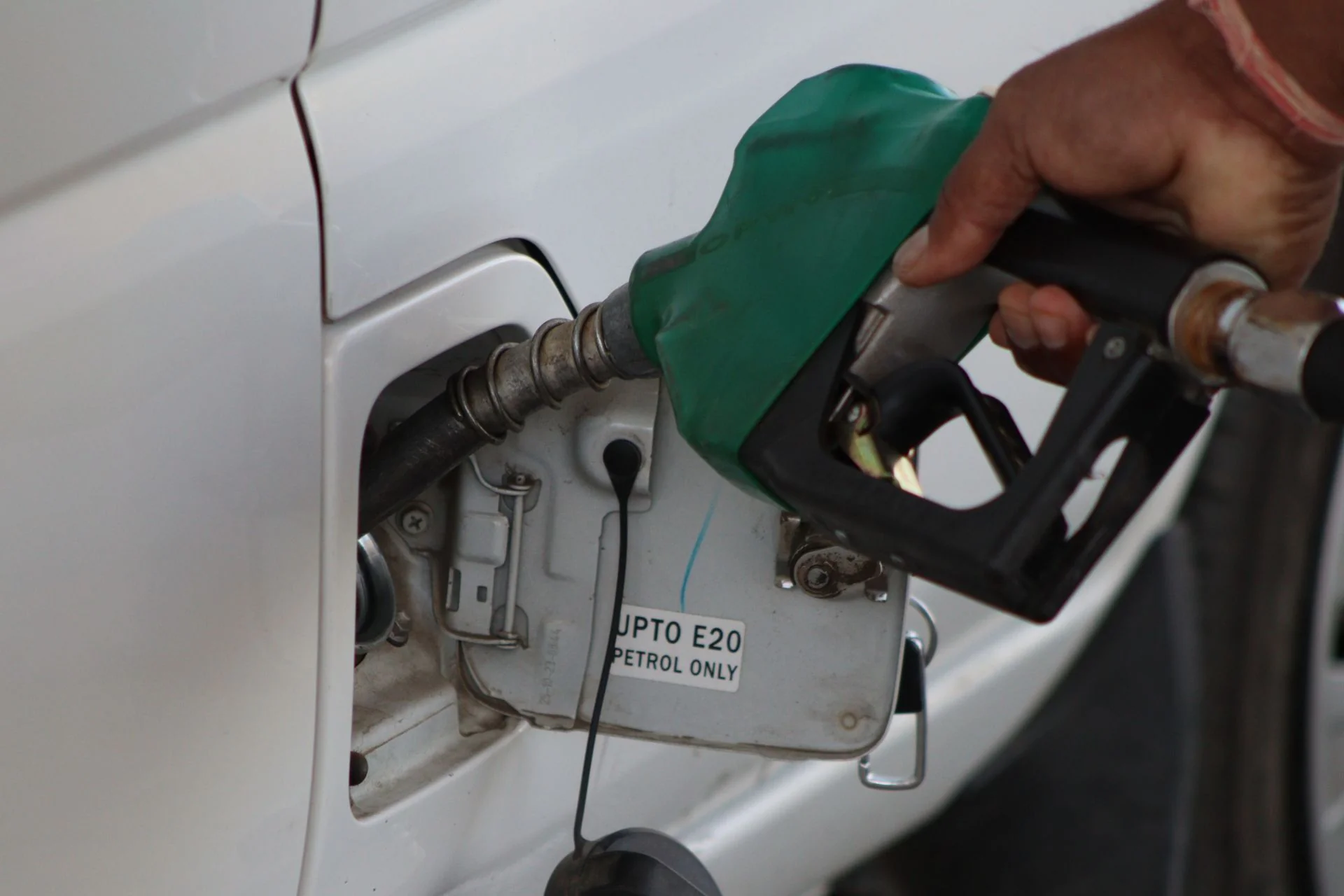
RON 95
Unleaded petrol with an octane rating of 95, for modern engines in passenger cars and light commercial vehicles.
Liquid petroleum fuels are a group of high-value energy products obtained by processing crude oil, intended for various forms of transport and energy systems. Their application and performance depend directly on their physico-chemical properties, the refining technology used in their production, and compliance with the relevant technical standards and regulatory requirements.
From an energy standpoint, the quality of a liquid petroleum fuel is determined through a range of key parameters whose control is essential for combustion efficiency, engine reliability and the fuel's energy utilisation.
The value of a liquid fuel is determined not only by its calorific value, but also by how efficiently and reliably that energy can be converted into mechanical work or heat, with full compatibility with the specific engine or energy system.
Unleaded petrol with an octane rating of 95, for modern engines in passenger cars and light commercial vehicles.
High-octane petrol for high-performance engines and more demanding operating conditions.
High-quality diesel fuel for passenger, light commercial and heavy-duty vehicles, compliant with modern emission control systems.
Liquid fuels for boilers, industrial furnaces and dryers, according to plant class and specification.